
Foundations of Nautical Science
The book explores the core principles of nautical science, including navigation, ship stability, tides, currents, weather, ocean conditions, and vessel operations.
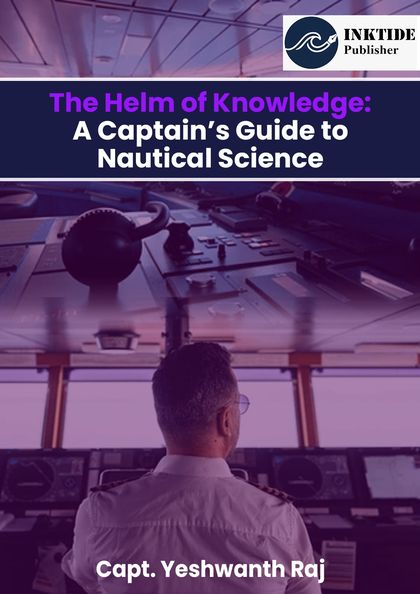
"Mastering the sea begins with understanding the science that governs it."
Inclusive of all taxes · EMI available at checkout
The Helm of Knowledge: A Captain’s Guide to Nautical Science provides a practical and comprehensive exploration of the knowledge and skills required to navigate and operate vessels safely at sea. Written from the perspective of an experienced captain, the book brings together the essential principles of nautical science, navigation, ship handling, maritime safety, and professional seamanship.
The book connects theoretical maritime knowledge with practical situations encountered on the bridge, helping readers understand how navigational science, technology, environmental awareness, and human judgement work together in real-world seafaring.
Whether you are a maritime student, a serving seafarer, or a curious reader drawn to the science and art of life at sea, this is a comprehensive and authoritative guide to seafaring mastery.
The book explores the core principles of nautical science, including navigation, ship stability, tides, currents, weather, ocean conditions, and vessel operations.
It provides insights into the responsibilities of navigators and bridge officers, covering voyage planning, position fixing, watchkeeping, route monitoring, and safe navigation.
Modern bridge systems such as GPS, ECDIS, radar, AIS, communication equipment, and electronic navigational aids are examined as essential tools for today's mariner.
The book highlights the practical skills required to manoeuvre and operate vessels effectively, emphasizing situational awareness, coordination, discipline, and experience.
Understanding changing weather and sea conditions is vital for safe navigation. The book explores how mariners interpret environmental information and adapt their decisions accordingly.
A major focus is placed on risk assessment, emergency preparedness, communication, teamwork, and the professional judgement required when navigating challenging situations.
The Helm of Knowledge brings together science, technology, practical seamanship, and a captain’s experience to provide readers with a deeper understanding of the responsibilities and knowledge required to become a competent and confident maritime professional.
Explore the opening pages — tap page edges or use the arrows to navigate.
Own all 300 pages — the complete guide to nautical science, navigation & professional seamanship.
8Content layouts shown are illustrative sample representations — the published edition contains the full text and data visualisations.
After many years at sea, The Helm of Knowledge is the book I wish I had when I started. It connects scientific knowledge with practical seamanship in a way no other text has managed. The chapters on the human element and ocean understanding are particularly outstanding — essential reading for any serious mariner.
We have adopted The Helm of Knowledge as a recommended reference for our navigation and seamanship programmes. Capt. Yeshwanth Raj's ability to blend scientific rigour with practical experience makes this book uniquely valuable — students find it far more accessible than traditional textbooks, without sacrificing depth.
The section on seamanship and ship handling stands out as one of the best written explanations I have encountered in print. Capt. Yeshwanth Raj clearly understands what mariners face at sea, and the writing never loses sight of practical reality. One star held back only because I would love more coverage on autonomy and future navigation technologies.
Leave your details and we will email you the payment link and delivery details.